
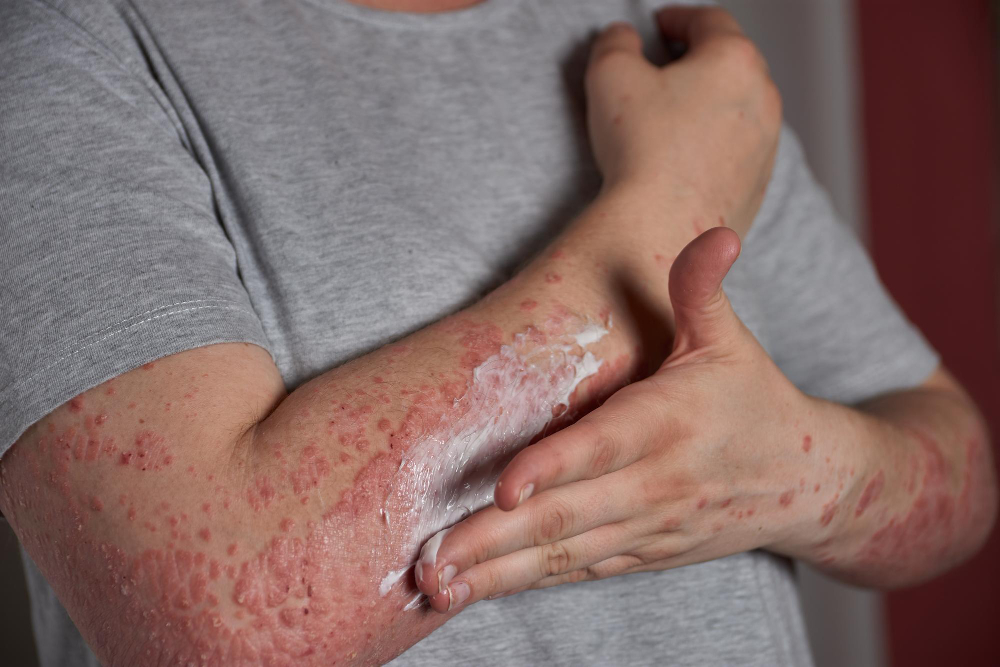
Psoriasis is a chronic skin condition that affects millions of people worldwide. This disease causes red, scaly patches on the skin. For many, psoriasis can be uncomfortable and sometimes embarrassing. However, with the right care, most people can manage their symptoms well. In this blog, you will learn about psoriasis symptoms, causes, diagnosis, treatment, and prevention. Understanding psoriasis is important for anyone who wants to keep their skin healthy.
What is Psoriasis?
Psoriasis is a long-lasting skin disease. It happens when skin cells grow too quickly. As a result, thick, red, and scaly patches form on the skin. These patches can appear anywhere, but they are most common on the elbows, knees, scalp, and lower back. Although psoriasis is not contagious, it can affect a person’s quality of life. For example, it may cause itching, pain, or self-consciousness. According to the World Health Organization (WHO), psoriasis affects about 2–3% of the global population.
Symptoms of Psoriasis
Psoriasis symptoms can vary from person to person. However, some signs are more common than others. Early recognition helps with better management. Look for these symptoms:
Additionally, symptoms may come and go. Sometimes, they get worse during certain seasons or after stress.
Causes and Risk Factors
Psoriasis is an autoimmune disease. This means the body’s immune system attacks healthy skin cells by mistake. While the exact cause is not fully known, several factors can trigger or worsen psoriasis. For example, genetics play a big role. If someone in your family has psoriasis, your risk is higher. Other risk factors include:
However, not everyone with these risk factors will develop psoriasis.
How Psoriasis is Diagnosed
Doctors usually diagnose psoriasis by looking at your skin. Additionally, they may ask about your symptoms and family history. In some cases, a small skin sample (biopsy) is taken for testing. This helps rule out other skin conditions. Most of the time, no special tests are needed. However, if joint pain is present, your doctor may check for psoriatic arthritis.
Treatment Options for Psoriasis
There is no cure for psoriasis, but many treatments can help control symptoms. The right treatment depends on how severe your psoriasis is. For mild cases, creams and ointments may be enough. For more severe cases, other options are available. Common treatments include:
Additionally, your doctor may suggest a combination of treatments. Always follow your dermatologist’s advice for the best results. For those seeking psoriasis treatment in their area, local dermatology clinics can help.
Lifestyle Tips and Home Care
While medical treatment is important, daily habits also make a big difference. For example, simple changes at home can help reduce flare-ups. Try these tips:
Additionally, avoid triggers like smoking and alcohol. These steps can help keep your skin healthier.
Prevention and Long-Term Management
Although psoriasis cannot be completely prevented, you can lower your risk of flare-ups. For example, taking good care of your skin and health is key. Here are some ways to manage psoriasis long-term:
With these steps, many people keep their psoriasis under control for years.
When to See a Dermatologist
If you notice new or worsening skin changes, it is important to see a dermatologist. Additionally, seek help if your symptoms affect your daily life or do not improve with home care. Early treatment can prevent complications and improve your quality of life. For those with joint pain, seeing a doctor is even more important. A dermatologist can help you find the best psoriasis treatment for your needs.
In summary, psoriasis is a common skin condition that can be managed with the right care. Consult Dr. Srikanth Kolli for expert evaluation and personalised treatment of psoriasis. Take the first step today to manage flare-ups, improve your skin health, and enhance your quality of life.