What Are Substance Use Disorders?
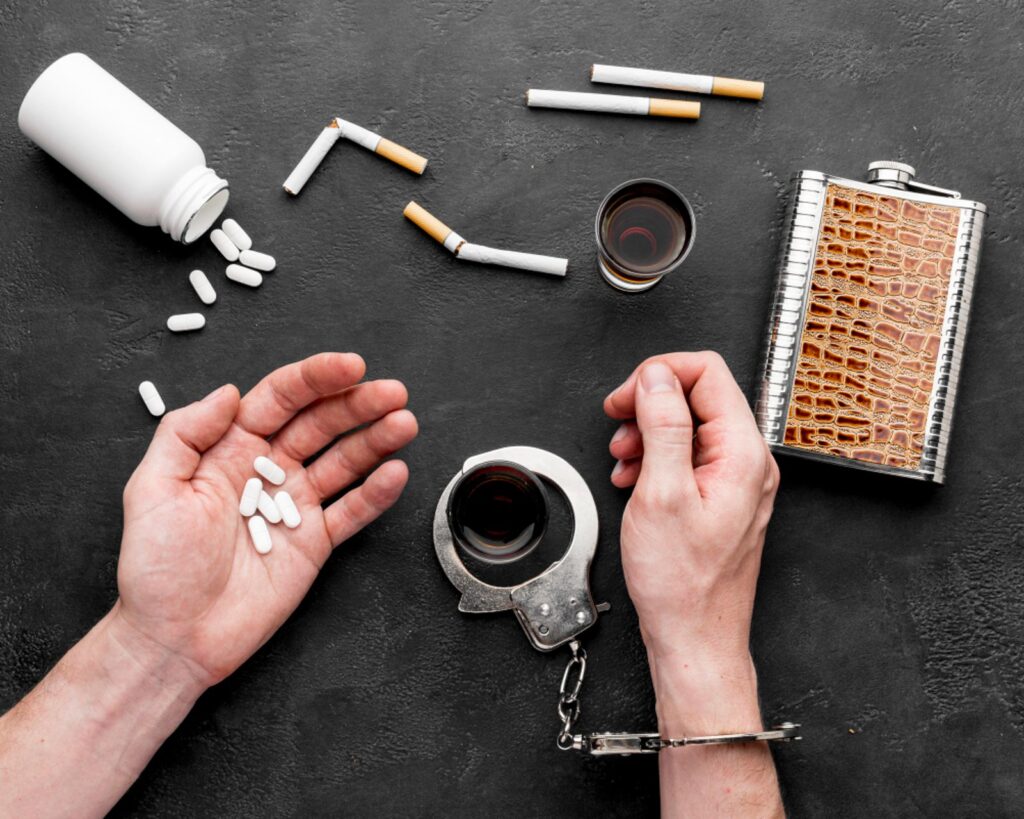
Substance Use Disorders are medical conditions where a person cannot control their use of drugs or alcohol. This loss of control can lead to problems at home, work, or school. According to the World Health Organization (WHO), these disorders affect millions of people worldwide. Early understanding and support can help people recover and lead healthy lives.
Common Symptoms and Warning Signs
Recognizing substance use disorder symptoms early can make a big difference. Some signs may be easy to spot, while others are less obvious. For example, changes in mood or behavior often appear first. However, physical changes can also happen over time.
Sometimes, people may hide their use. But, if you notice these signs, it is important to seek help.
Major Causes and Risk Factors
Many factors can lead to Substance Use Disorders. Often, it is not just one cause. Instead, a mix of things increases risk. For instance, genetics can play a role. If a family member has a history of substance use, the risk may be higher. But, environment matters too.
Although these factors raise risk, anyone can develop a substance use problem. Therefore, awareness is key.
How Substance Use Disorders Are Diagnosed
Doctors use several steps to diagnose substance use disorders. First, they ask about your health, habits, and family history. Then, they may use special questions or checklists. These tools help spot patterns of use and related problems. Sometimes, blood or urine tests check for substances in the body. However, diagnosis is not just about test results. It also looks at how substance use affects daily life. If you wonder how to diagnose substance use disorder, talking to a healthcare provider is the best first step.
Evidence-Based Treatment Options
Treatment for substance use disorders works best when it fits the person’s needs. There are several proven options. Often, a mix of treatments gives the best results. For example, therapy and medicine can work together. According to the CDC, these are common treatments:
With support, many people recover and rebuild their lives. Yet, treatment may take time and patience.
Lifestyle Guidance and Support Resources
Making healthy changes can support recovery. For instance, building a strong support network helps many people. In addition, setting small, realistic goals can keep you motivated. Here are some helpful tips:
Many communities offer free or low-cost resources. You can find help through local clinics, helplines, or online support groups.
Prevention Tips and Community Awareness
Preventing substance abuse starts with education and awareness. Parents, teachers, and community leaders all play a role. For example, talking openly about risks can help young people make safe choices. Here are some ways to prevent substance use disorders:
When everyone works together, we can reduce the impact of substance use in our communities.
Conclusion: Take the First Step Toward Recovery
Substance Use Disorders are common, but help is available. Early action can lead to better outcomes. If you or someone you know is struggling with substance use, consult our mental health professional for personalized guidance.