Introduction
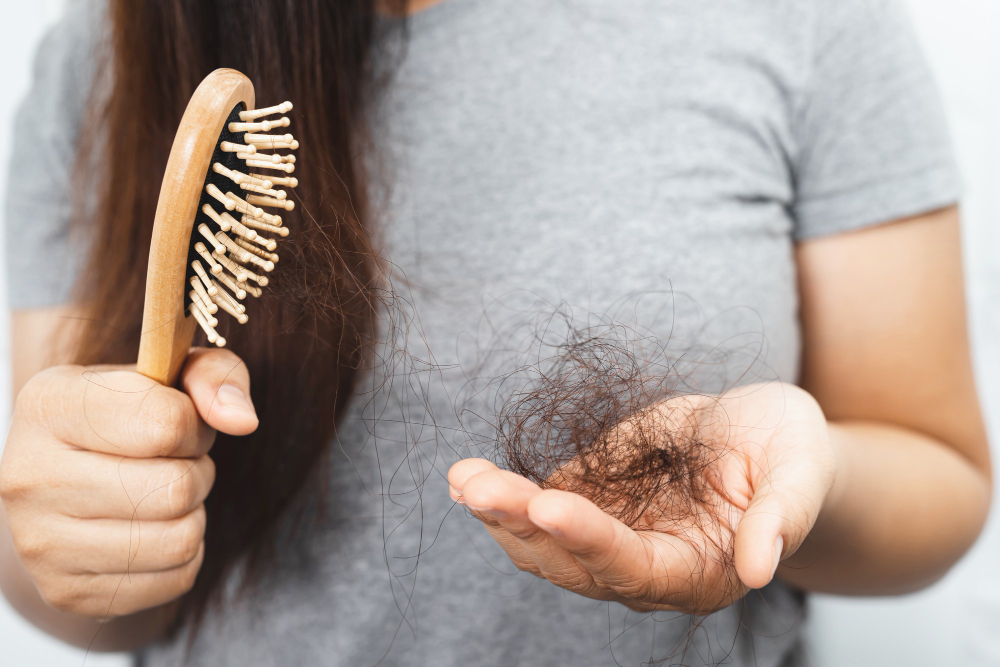
Alopecia is a medical term for hair loss. Many people experience hair loss at some point in their lives. For some, it can be mild and temporary. For others, it may be more severe or long-lasting. Understanding alopecia, its causes, symptoms, and treatments can help you manage this condition. In this blog, we will explain everything you need to know about alopecia in simple terms.
What is Alopecia?
Alopecia means losing hair from your scalp or other parts of your body. Sometimes, hair falls out in small patches. Other times, it can affect large areas. There are different types of alopecia. For example, alopecia areata causes patchy hair loss. Androgenetic alopecia, also called male or female pattern baldness, is the most common type. Some people may lose all their hair, while others lose only a little.
Common Causes of Alopecia
There are many reasons why someone might develop alopecia. Knowing the cause can help guide treatment. Here are some common causes:
Recognizing Symptoms of Alopecia
It is important to notice the signs of alopecia early. While symptoms can vary, some are more common. For example, you may see:
However, not everyone will have all these symptoms. If you notice unusual hair loss, it is wise to talk to a doctor.
How Alopecia is Diagnosed
Doctors use several methods to diagnose alopecia. First, they will ask about your medical history and family history. Next, they will look at your scalp and hair. Sometimes, they may gently pull on your hair to see how much comes out. In some cases, doctors may order blood tests to check for thyroid or immune problems. They might also take a small sample of your scalp skin, called a biopsy, to look for signs of disease. Early diagnosis can help you get the right treatment.
Treatment Options for Alopecia
Treatment for alopecia depends on the cause and type. While some hair loss is temporary, other types may need long-term care. Here are common treatment options:
It is important to follow your doctor’s advice and be patient. Hair regrowth can take time.
Lifestyle Tips and Prevention
Although not all types of alopecia can be prevented, some steps may help reduce your risk. For instance:
Remember, early action can make a difference.
Conclusion
Alopecia can affect anyone, but help is available. If you notice hair loss, do not ignore it. Consult a dermatologist for personalized advice on alopecia. They can help you find the best treatment and support.