
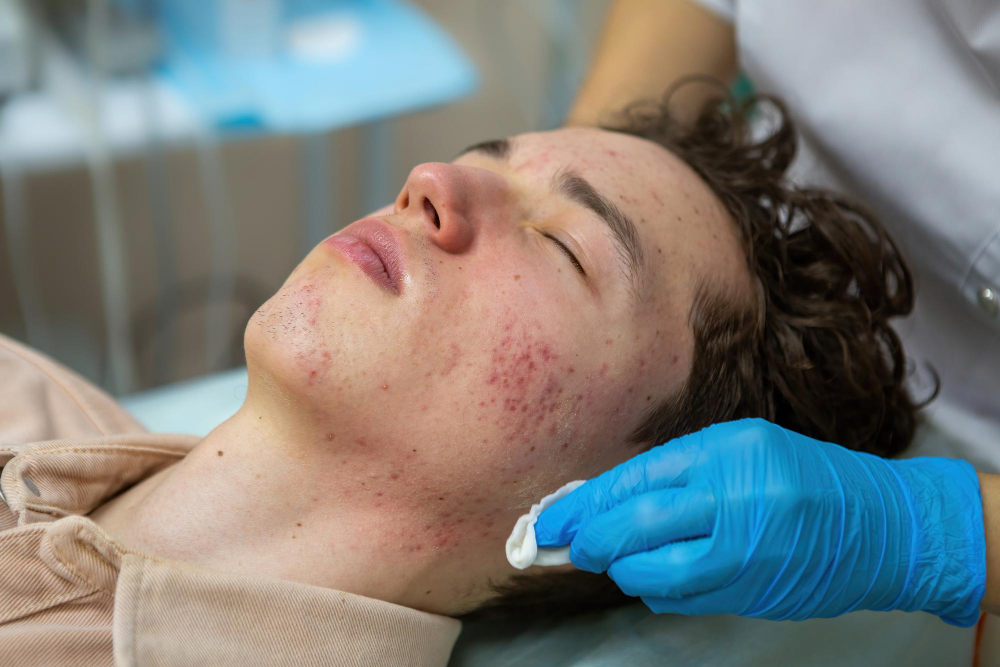
What Is Acne Scarring?
Acne scarring is a common skin concern that affects many people. When acne heals, it can leave behind marks or dents on the skin. These scars can last for months or even years. For many, acne scarring can affect self-confidence. However, there are ways to treat and prevent these scars.
Common Symptoms and Types of Acne Scars
Not all acne scars look the same. In fact, there are several types. Knowing the type of scar can help you find the best remedy for acne scars. Here are the most common types:
Sometimes, scars may feel tender or itchy. However, most acne scars do not cause pain.
Main Causes and Risk Factors
Acne scarring happens when the skin tries to heal after a pimple or cyst. Sometimes, the skin makes too much or too little collagen, a protein that helps skin heal. This can lead to scars. Several factors can increase your risk:
For example, people with darker skin may notice dark spots more often. On the other hand, those with lighter skin may see red marks.
How Is Acne Scarring Diagnosed?
Doctors usually diagnose acne scarring by looking at your skin. They may ask about your acne history and any treatments you have tried. Sometimes, they will check for other skin conditions. However, no special tests are needed for diagnosis. If you are unsure about your scars, a dermatologist can help you understand your skin better.
Effective Treatments for Acne Scarring
There are many ways to treat acne scarring. The best treatment depends on the type and depth of your scars. Here are some evidence-based options:
Medical Treatments
For those seeking acne scar treatment in their city, many dermatology clinics offer these services. Always check that your provider is certified and experienced.
At-Home Remedies
Some people try home remedies for mild acne scars. While results may vary, these options can help:
However, at-home treatments work best for mild scars. Deep or severe scars often need medical care.
Lifestyle Tips for Managing and Preventing Acne Scarring
While you cannot always prevent acne scarring, you can lower your risk. Consider these tips:
Additionally, managing stress can help reduce acne flare-ups. If you notice new scars, act quickly to prevent them from getting worse.
When Should You See a Dermatologist?
Sometimes, home care is not enough. You should see a dermatologist if:
Early treatment can make a big difference. A dermatologist can suggest the right acne scarring treatment for your skin type and needs.
Summary
Acne scarring can affect anyone who has had acne. There are many types of scars, and each may need a different treatment. With the right care, you can reduce scars and feel more confident. For the best results, consult a dermatologist Dr. Srikanth Kolli for personalized advice on acne scarring.