
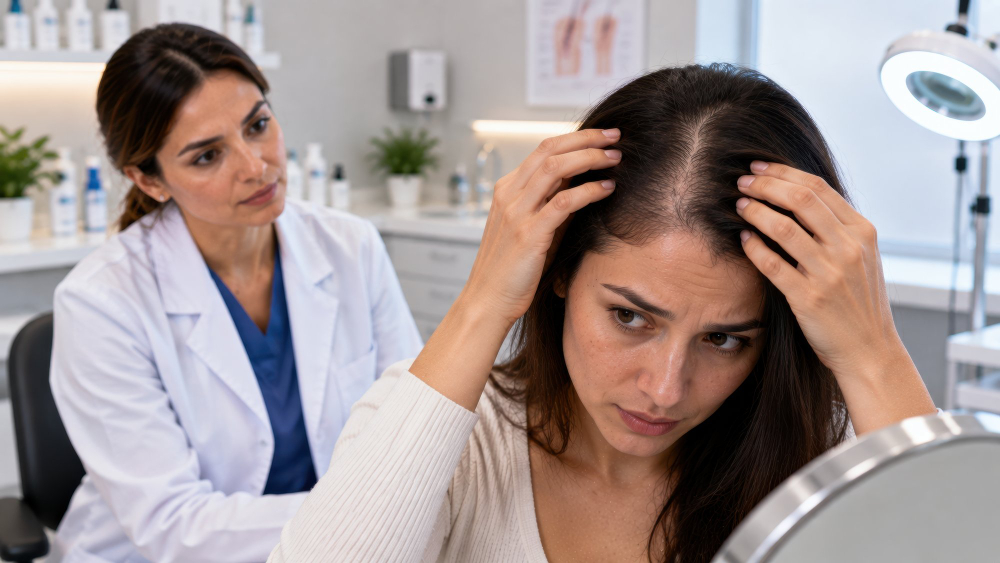
What Is Hair Loss?
Hair loss happens when you lose more hair than usual. While it is normal to shed some hair each day, losing a lot can be concerning. For many people, hair loss can affect self-confidence. Because of this, finding the right hair growth treatments is important. According to the World Health Organization (WHO), hair loss can affect both men and women at any age.
Common Causes of Hair Loss
Hair loss can happen for many reasons. Sometimes, it is temporary. Other times, it may be long-lasting. Understanding the cause can help you choose the best hair growth options. Common causes include:
For some people, more than one factor may play a role. Therefore, it is helpful to talk with a healthcare provider to find the cause.
Overview of Hair Growth Treatments
There are many hair growth treatments available today. While some are medical, others are over-the-counter or natural. In addition, advanced procedures can help in certain cases. Here are the main types:
Medical Treatments
Over-the-Counter Options
However, not all over-the-counter products are proven to work. Always check for products approved by health authorities.
Natural Remedies
While some people see benefits, scientific evidence for natural remedies is still limited. Still, these options are usually safe when used properly.
Advanced Procedures
These advanced hair loss solutions are often more costly. Yet, they can be effective for certain types of hair loss.
How to Choose the Right Treatment
Choosing the best hair growth treatments depends on your needs. First, it is wise to identify the cause of your hair loss. Next, consider these tips:
In some cases, combining treatments may give better results. However, always seek medical advice before starting new treatments.
Potential Side Effects and Safety Considerations
Although many hair growth treatments are safe, side effects can happen. For example, minoxidil may cause scalp irritation or unwanted hair growth on the face. Finasteride can lead to sexual side effects in men. Additionally, some supplements may interact with other medicines. Advanced procedures, like hair transplants, carry risks such as infection or scarring. Therefore, always follow instructions and talk to a doctor about possible risks. If you notice any unusual symptoms, stop the treatment and seek help right away.
Lifestyle Tips for Supporting Hair Health
Healthy habits can support hair growth and prevent further loss. For instance, eating a balanced diet helps provide the nutrients your hair needs. Try these tips:
In addition, avoid harsh chemicals and tight hairstyles that pull on your hair.
Prevention Strategies for Hair Loss
While not all hair loss can be prevented, some steps may help. For example, treating medical conditions early can reduce the risk. Here are some prevention strategies:
For those looking for hair growth treatments consult Dr. Srikanth Kolli who offers safe and effective options.