
Introduction
Eczema is a common skin condition that causes dry, itchy, and inflamed skin. Many people experience eczema symptoms at some point in their lives. Although eczema can affect anyone, it is more common in children. However, adults can develop it too. In some cases, eczema may come and go over time. While it is not contagious, it can be uncomfortable. Understanding eczema causes, symptoms, and treatment options can help you manage the condition better.
Symptoms of Eczema
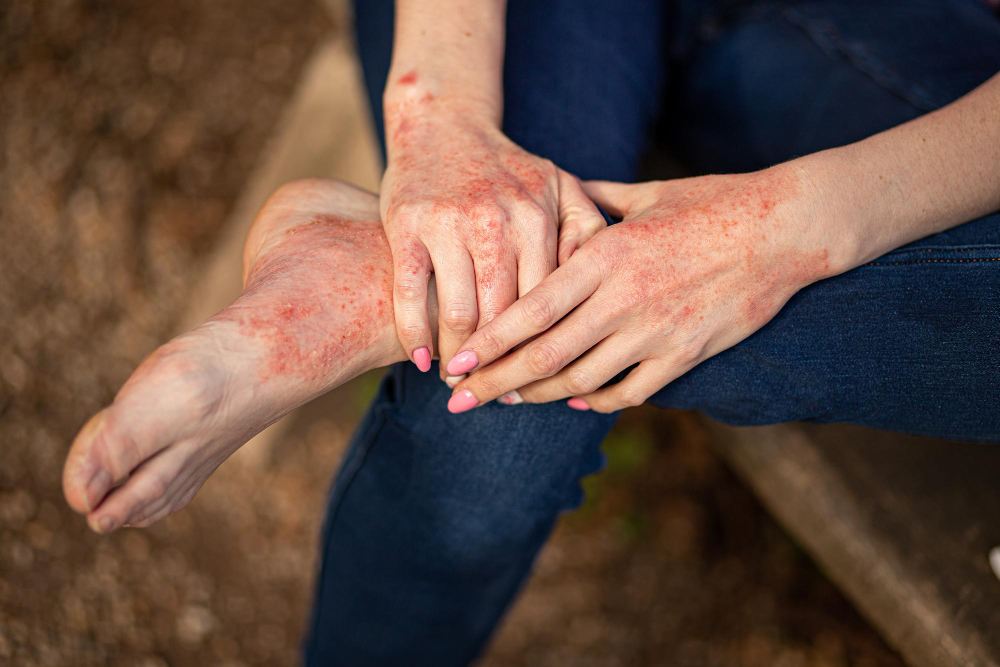
Eczema symptoms can vary from person to person. However, most people notice itching and red patches. Sometimes, symptoms get worse during certain seasons or after contact with triggers. For example, cold weather or harsh soaps may make eczema flare up. Common eczema symptoms include:
Sometimes, eczema can become infected. If you notice yellow crusts or pus, seek medical help right away.
Causes of Eczema
Doctors do not know the exact cause of eczema. However, several factors can increase your risk. For instance, genetics play a big role. If your parents have eczema, you may be more likely to get it. Other eczema causes include:
Because triggers vary, it helps to keep track of what makes your eczema worse.
Diagnosis
Doctors diagnose eczema by looking at your skin and asking about your symptoms. Usually, no special tests are needed. However, sometimes a doctor may do a skin patch test. This test helps find out if allergies are causing your eczema. In rare cases, a skin biopsy may be needed to rule out other conditions. If you have eczema symptoms that do not improve, see a dermatologist for a full evaluation.
Treatment Options for Eczema
There is no cure for eczema, but treatment can help control symptoms. Early treatment often leads to better results. Common eczema treatment options include:
For best results, follow your doctor’s advice and use treatments as directed. Sometimes, you may need to try different options to find what works best for you.
Lifestyle and Home Remedies
In addition to medical treatment, simple changes at home can help manage eczema. For example, keeping your skin moist is very important. Try these tips:
Because stress can trigger eczema, try relaxation techniques such as deep breathing or gentle exercise.
Prevention Tips
While you cannot always prevent eczema, you can lower your risk of flare-ups. For instance, knowing your triggers helps you avoid them. Here are some tips on how to prevent eczema:
Because prevention is key, make these habits part of your daily routine.
When to See a Doctor
Most mild eczema can be managed at home. However, you should see a doctor if:
Early treatment can prevent complications. Therefore, do not wait if you are concerned about your skin.
Consult a dermatologist Dr. Srikanth Kolli for personalized advice on managing eczema.