
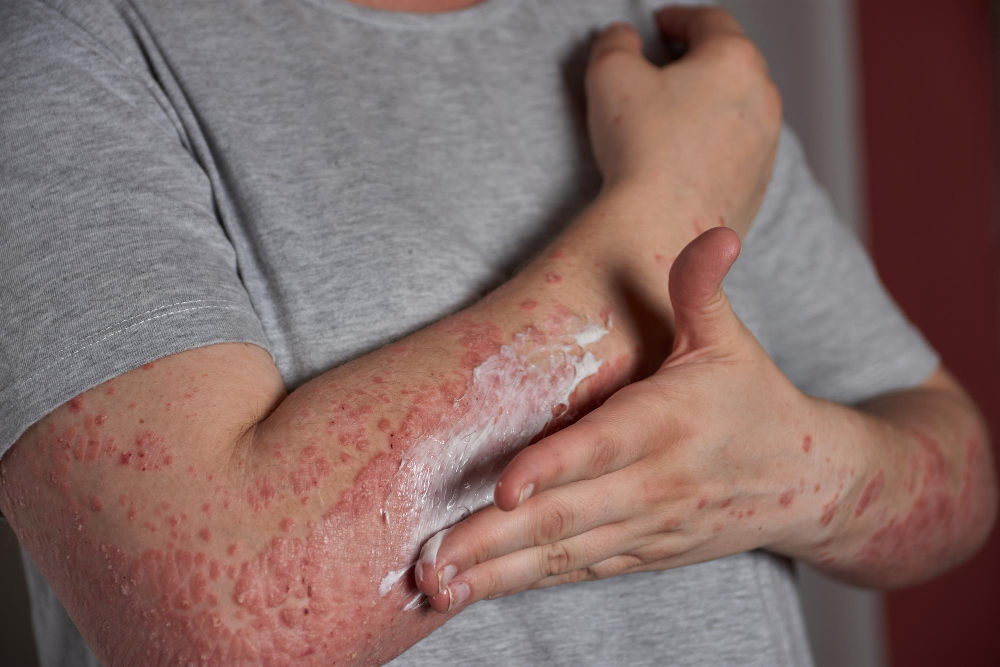
What Are Hives?
Hives are red, itchy bumps that appear on the skin. Sometimes, these bumps are called welts or urticaria. Often, hives show up suddenly and can last for hours or days. Because hives can be uncomfortable, many people want to know what causes hives and how to treat them. According to the Centers for Disease Control and Prevention (CDC), hives are a common skin reaction. Anyone can get hives, but some people have them more often than others.
Common Symptoms of Hives
Hives can look different from person to person. However, most people notice a few key signs. For example, hives usually:
Sometimes, hives come with swelling around the eyes, lips, or hands. This swelling is called angioedema. While most hives are mild, some can be severe. If you have trouble breathing or swelling in your throat, seek help right away.
Causes and Risk Factors
Many things can cause hives. For instance, allergies are a common reason. However, not all hives are due to allergies. Here are some causes and risk factors:
Because hives can appear for many reasons, sometimes the exact cause is unknown. If you get hives often, you may have a higher risk if you have allergies or a family history of hives.
How Hives Are Diagnosed
Doctors usually diagnose hives by looking at your skin and asking about your symptoms. Sometimes, they ask about recent foods, medicines, or activities. In some cases, they may suggest allergy tests or blood tests. However, most of the time, no special tests are needed. If your hives last longer than six weeks, your doctor may look for other causes. For example, they might check for infections or immune system problems. According to the World Health Organization (WHO), proper diagnosis helps guide the best treatment.
Treatment Options for Hives
Many people want to know about hives treatment options. The main goal is to stop itching and remove the cause, if possible. Here are common treatments:
Sometimes, doctors use steroids for short periods if hives are severe. However, most mild cases go away on their own. Because each person is different, your doctor will help choose the right treatment for you.
Lifestyle Tips for Managing Hives
Even though hives can be bothersome, you can take steps at home to feel better. For example, you can:
Because stress can sometimes trigger hives, practicing relaxation techniques may help. If you live in a hot or humid area, staying cool can also reduce flare-ups.
Preventing Hives
While you cannot always prevent hives, you can lower your risk. For instance, you can:
If you know what causes hives for you, try to avoid those triggers. However, if you get hives often or they are severe, talk to your doctor for more help.
Conclusion
If you have questions about hives or need help managing your symptoms, Dr. Srikanth Kolli is here to support you. Schedule a consultation today to get personalized care and advice.
If you have questions about hives or need help managing your symptoms, Srikanth Kolli is here to support you. Schedule a consultation today to get personalized care and advice.