What is ADHD?
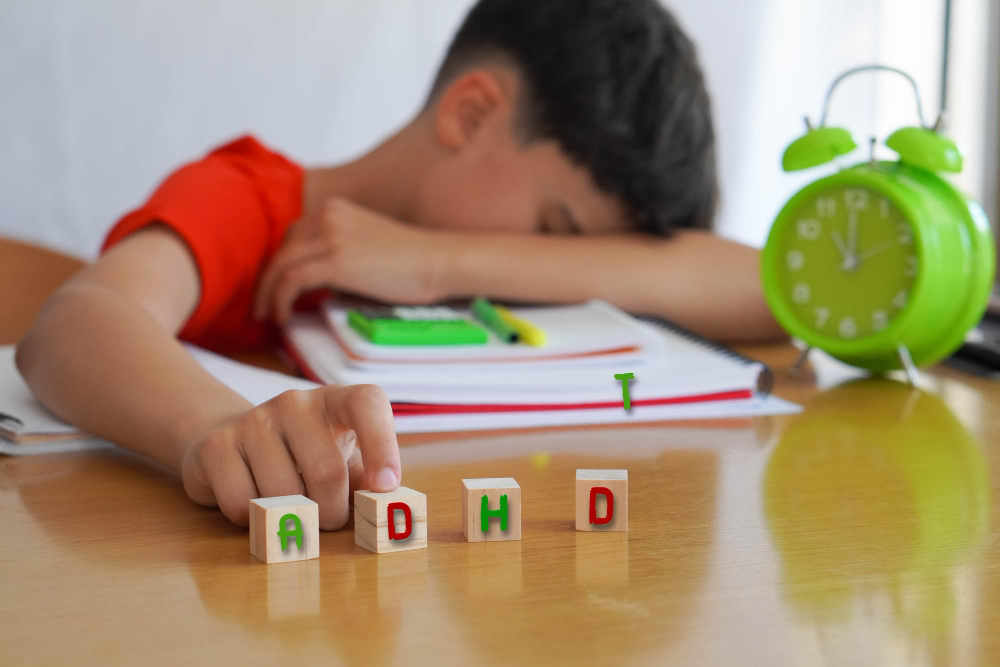
ADHD, or Attention-Deficit/Hyperactivity Disorder, is a common brain condition. It affects both children and adults. People with ADHD may have trouble paying attention. They might also act without thinking or feel restless. Because ADHD can affect school, work, and daily life, it is important to understand this condition. Early support often helps people manage symptoms better.
Common Symptoms of ADHD
ADHD symptoms can look different in each person. However, there are some signs that many people share. For example, symptoms often start in childhood but can continue into adulthood. Some adults may not realize they have ADHD until later in life. Below are common symptoms seen in both children and adults:
Sometimes, symptoms change with age. For instance, adults may notice more problems with time management or planning. If you notice these signs, it may help to talk with a healthcare provider.
Causes and Risk Factors of ADHD
While experts do not know the exact cause of ADHD, research points to several factors. Genetics play a big role. If a parent has ADHD, their child is more likely to have it too. In addition, brain structure and function may be different in people with ADHD. Other risk factors include:
Although these factors can increase risk, not everyone with them will develop ADHD. Sometimes, no clear cause is found. Still, knowing the risks can help families and doctors watch for symptoms early.
How ADHD is Diagnosed
Diagnosing ADHD involves several steps. First, a doctor will ask about symptoms and behavior. They may use checklists or questionnaires. Because there is no single test for ADHD, doctors look at patterns over time. The ADHD diagnosis process often includes:
For adults, the process may include questions about childhood behavior. Sometimes, doctors use rating scales to help track symptoms. Early diagnosis can make a big difference in managing ADHD.
Treatment Options for ADHD
There are many treatment options for ADHD. Most people benefit from a mix of approaches. For example, medicine can help control symptoms. Behavioral therapy teaches new skills and coping methods. Some people also try managing ADHD naturally with lifestyle changes. Common treatments include:
Doctors work with each person to find the best plan. Sometimes, they adjust treatments as needs change. With the right support, many people with ADHD can thrive at home, school, or work.
Lifestyle Tips for Managing ADHD
Managing ADHD often involves daily habits. While medicine and therapy help, lifestyle changes can make a big difference. Here are some tips that may help:
Additionally, joining support groups can help people share tips and feel less alone. Many adults find that these simple changes help them manage symptoms better.
Preventive Strategies and Early Intervention
Although there is no sure way to prevent ADHD, early intervention can help. For example, pregnant women should avoid smoking and exposure to toxins. Regular check-ups for children can help spot signs early. If a child shows symptoms, talking to a doctor right away is important. Early support often leads to better outcomes. Schools and families can work together to give children the help they need. While ADHD cannot always be prevented, early action can make a big difference in a person’s life.
Conclusion
If you or your loved one needs support with ADHD, Dr. Srikanth Kolli and our team are here to help. Reach out to our clinic for guidance on mental wellness and personalized care.