What is Obsessive-Compulsive Disorder?
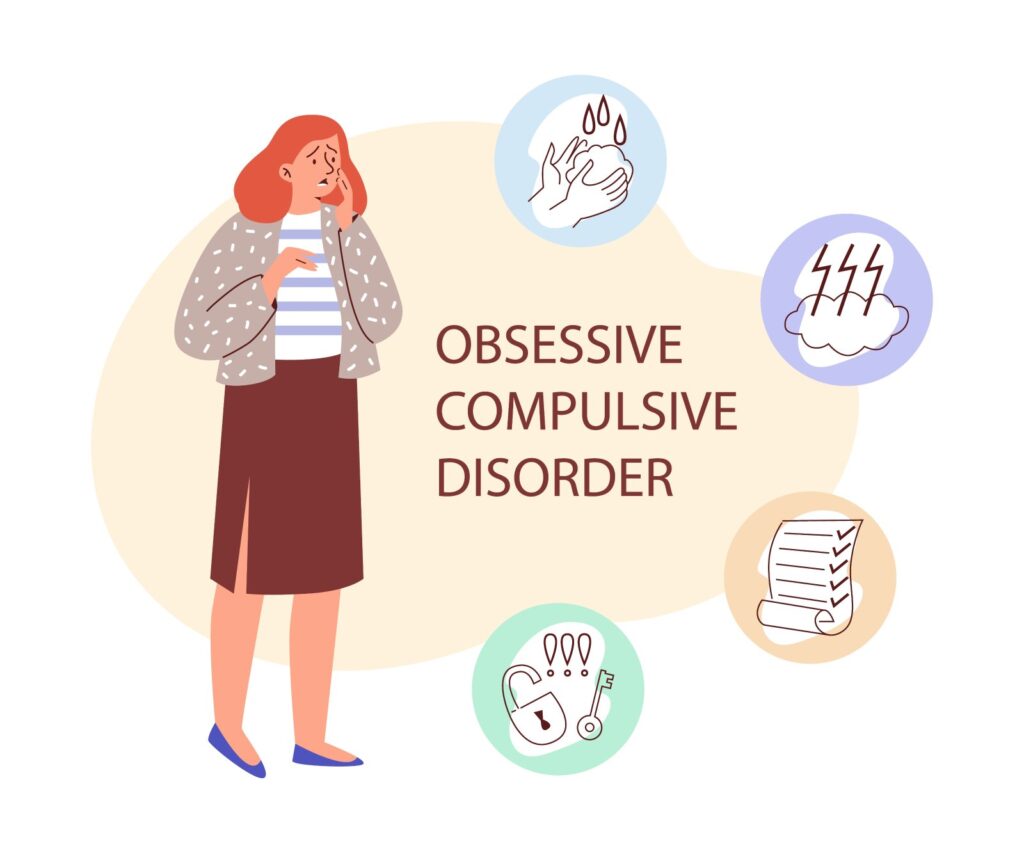
Obsessive-Compulsive Disorder, or OCD, is a mental health condition. People with OCD have unwanted thoughts, called obsessions. They also feel the need to do certain actions, called compulsions, over and over. For example, someone may worry about germs and wash their hands many times a day. These thoughts and actions can take up a lot of time. As a result, they may make daily life hard. According to the World Health Organization (WHO), OCD affects people of all ages. It can start in childhood or adulthood. Early treatment helps manage symptoms and improve quality of life.
Common Symptoms of OCD
OCD symptoms can look different for each person. However, most people have both obsessions and compulsions. Here are some common signs:
Sometimes, people try to hide their symptoms. But, OCD can cause stress and affect work, school, or relationships. If you notice these signs, it may be time to seek help.
Causes and Risk Factors
Experts do not know the exact cause of OCD. Still, several factors may play a role. For instance, family history can increase risk. If a close relative has OCD, you may be more likely to develop it. Brain structure and function may also be involved. Some studies show that certain brain areas work differently in people with OCD. In addition, stressful life events can trigger symptoms. Sometimes, infections or other health problems may also play a part. However, having risk factors does not mean you will get OCD.
How is OCD Diagnosed?
Diagnosing OCD involves several steps. First, a mental health professional will ask about your thoughts, feelings, and actions. They may use special questions or checklists. For example, they will look for patterns of obsessions and compulsions. Next, they may ask about your medical history. Sometimes, tests are done to rule out other problems. According to the CDC, OCD is diagnosed when symptoms are strong, last for weeks or more, and make daily life hard. Early diagnosis helps start treatment sooner.
Treatment Options for OCD
There are several OCD treatment options. Most people benefit from a mix of therapy, medication, and lifestyle changes. Here are the main treatments:
Sometimes, people need more than one treatment. Your doctor will help choose the best plan for you.
Tips for Daily Living and Support
Living with OCD can be hard, but there are ways to cope. Here are some helpful tips:
With support, many people manage OCD and lead full lives. If you need help, reach out to a mental health professional.
Prevention and When to Seek Help
There is no sure way to prevent OCD. However, early treatment can stop symptoms from getting worse. If you notice signs of OCD in yourself or someone you know, do not wait. Seek help if:
Remember, OCD is a medical condition. With the right care, symptoms can improve.
If you or someone you know is experiencing symptoms of OCD, consult Dr Srikanth Kolli, a mental health specialist for personalized guidance.