
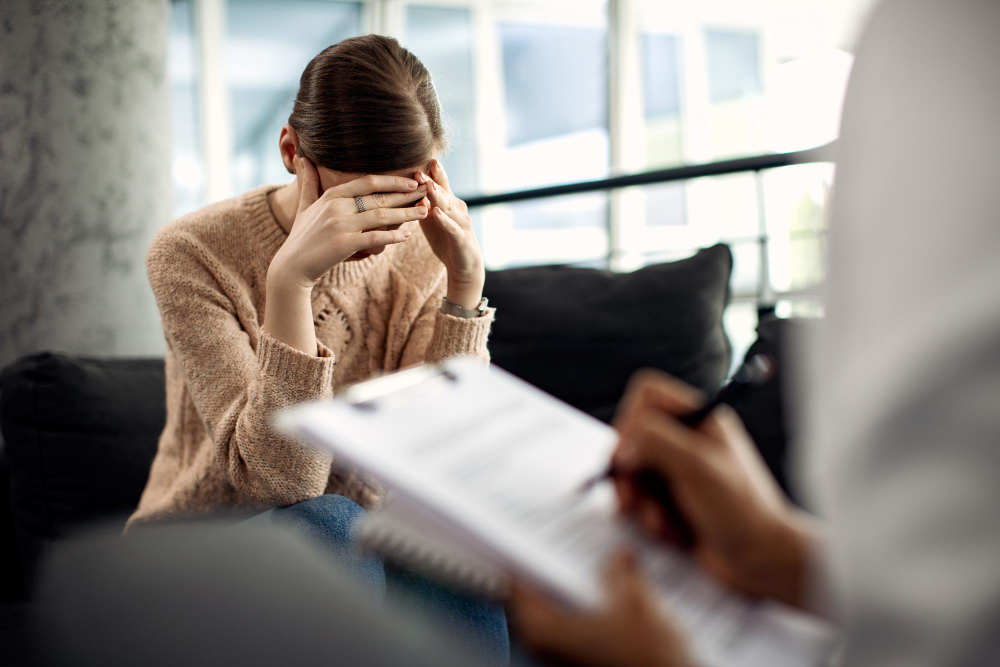
What is Anxiety?
Anxiety is a common mental health condition. It causes feelings of worry, fear, or unease. While everyone feels anxious sometimes, anxiety disorder is different. It can last longer and affect daily life. For many people, anxiety can make simple tasks seem hard. According to the World Health Organization (WHO), anxiety disorders are among the most common mental health issues worldwide.
Common Symptoms of Anxiety
People with anxiety may notice both physical and emotional symptoms. For example, you might feel nervous or restless. Below are some common anxiety symptoms:
However, symptoms can vary from person to person. If you notice these signs often, it may be time to seek help.
Causes and Risk Factors
There are many reasons why someone might develop anxiety. Sometimes, it runs in families. Other times, life events or stress can play a role. Here are some common causes and risk factors:
Additionally, ongoing stress at work or school can increase your risk. But not everyone with these risk factors will develop anxiety.
How Anxiety is Diagnosed
Doctors use several steps to diagnose anxiety. First, they ask about your symptoms and medical history. Next, they may do a physical exam to rule out other causes. Sometimes, doctors use questionnaires to better understand your feelings. For a diagnosis, symptoms must last for several weeks and affect daily life. If you are looking for anxiety treatment in your area, many clinics offer mental health screenings.
Treatment Options for Anxiety
There are many ways to treat anxiety. Treatment for anxiety disorder often depends on how severe the symptoms are. Common options include:
In addition, some people benefit from a mix of these treatments. Always talk to your doctor before starting or stopping any treatment.
Lifestyle Tips and Prevention
While treatment is important, lifestyle changes can also help manage anxiety. Here are some tips for coping with anxiety:
Moreover, taking breaks and doing activities you enjoy can lower stress. These steps may help prevent anxiety from getting worse.
When to Seek Professional Help
Sometimes, anxiety can feel overwhelming. If your symptoms last for several weeks or stop you from living your life, it is time to seek help. For example, if you have trouble working, studying, or caring for yourself, a mental health professional can guide you. Early support can make a big difference in recovery.
If you or someone you know is struggling, do not wait. Consult Dr. Srikanth Kolli for expert evaluation and personalised anxiety management. Take the first step today toward calmer, balanced, and healthier mental well-being.